Informed by your votes, the first sessions have been announced for the Business of the Arts Summit including:
What if publishing the ACE review was just the first step?
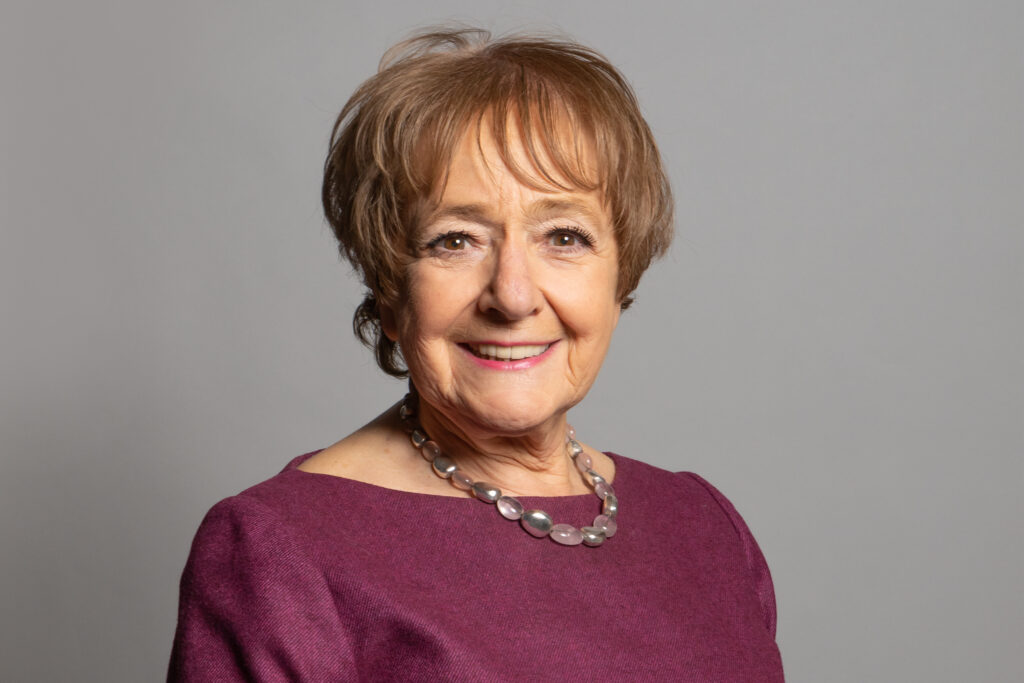
A Q&A with Baroness Margaret Hodge, author of the independent review of Arts Council England.
What comes next for the recommendations affecting England’s development agency for the arts? How should the sector engage to deliver progress? All participants are welcome, and a parallel session will be programmed with delegates from commercial organisations and other nations of the UK in mind.
What if there’s an elephant in the room?
Many arts and culture business models are broken or breaking – these scene-setter talks from leading researchers help us to frame the day. Speakers include:
- Eliza Easton, author of the National Theatre’s Scene Change report, optimising business model innovation in the performing arts.
- Dr Dawn Langley, author of the Association of Independent Museums Fragile to Flourishing model and research into museum operating models
- David Reece, Chief Strategy Officer, Baker Richards will look at the economic big picture
What if AI holds the answer?
As ethical and practical debate rages, Katie Moffat leads a practical session which seeks to address the question – what can AI (really) do to help make arts and culture organisations more efficient?
What if Reform wins the next general election?
A recording of the (Un)Common Ground podcast with Tarek Iskander (Artistic Director and CEO of Battersea Arts Centre), and guest co-host Ruth Hogarth (Editor of Arts Professional).
Of all the forces which affect arts and culture business models, politics is among the strongest. Meeting in the week after the Scottish and Welsh elections, and the English local elections, we will take stock.
And we’ll fast forward – the polls were right. It’s the week after the 2029 General Election, and at PMQs, Prime Minister Nigel Farage (Reform) faces Zack Polanksi, the leader of the opposition (Green). What could it mean for arts, culture, and heritage?
Roundtables, voted for by you
What if the best answers came from the room? Two open round-tables, agenda voted on the day – continue the conversation from any session, or bring what’s urgent to you. Participants will be invited to suggest topics beforehand, and we’ll vote for the most pressing conversations before breaking out into groups.